Mobile mechanic services on the Treasure Coast
Casola's Wrench Wagon does auto repair where your vehicle is parked, whether it’s your driveway in Stuart, an office lot in Port St. Lucie, a job site in Fort Pierce, or the shoulder of US-1 where it finally quit. Maintenance, brakes, electrical, diagnostics, cooling and suspension. Generators too.
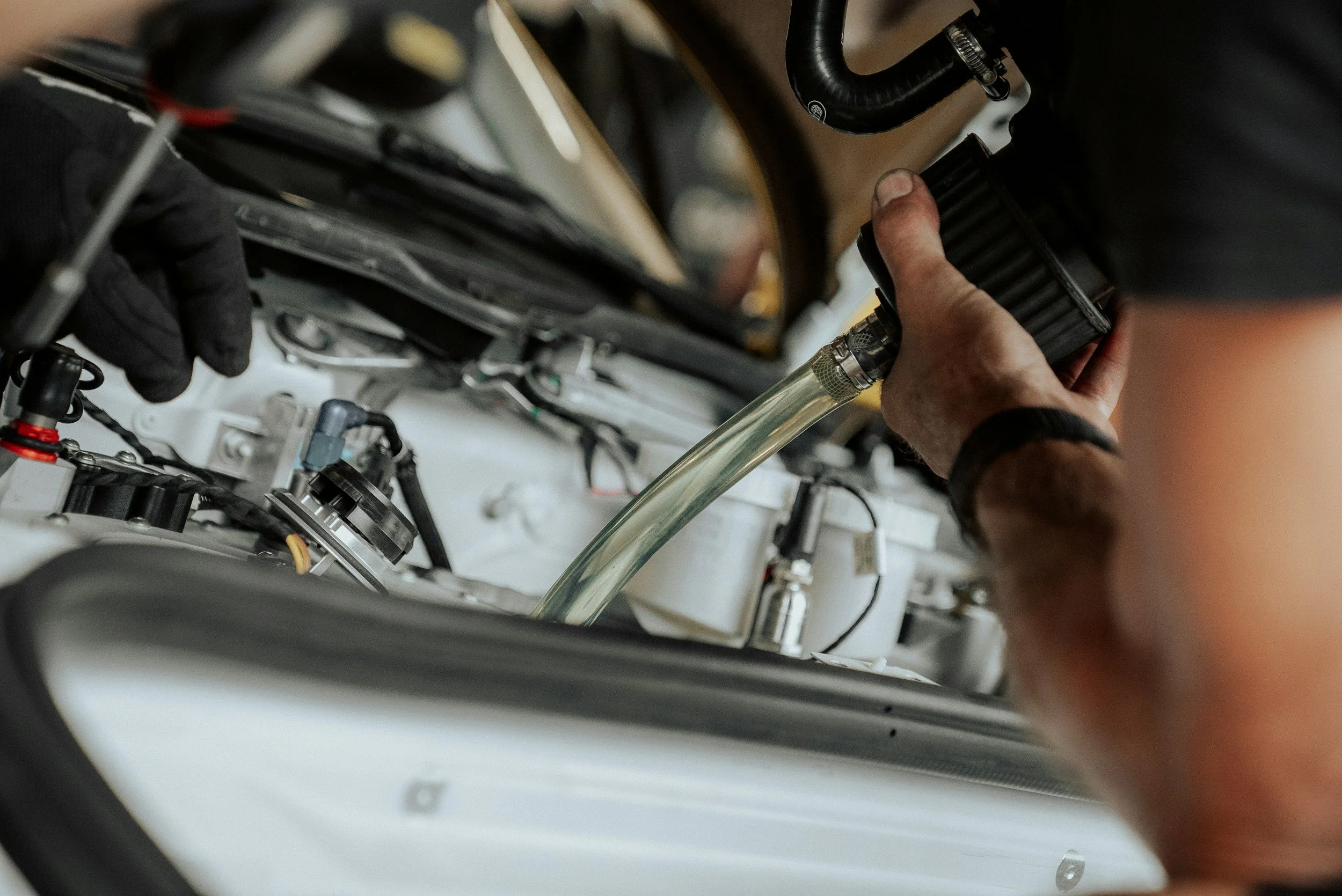
Mobile oil changes & routine maintenance
An oil change is the easiest thing in the world to put off, and the most expensive thing to skip. We come to your house or your workplace, change the oil and filter with the grade your manufacturer actually specifies, and take the used oil with us for recycling. No coupon book, no upsell on a flush your car does not need, no forty-five minutes in a lobby watching a screen tell you about cabin air filters.
While the hood is up, we look at the things that catch problems early — belt condition, fluid levels, battery terminals, tire wear and pressure, brake pad thickness through the wheel, and any leak that has started dripping. You get told what is fine, what to watch, and what needs attention now. Florida heat is hard on rubber, coolant and batteries, so that walk-around is worth more here than it would be up north.
Also handled during a maintenance visit
Engine air and cabin filters, wiper blades, tire rotation, coolant and brake fluid top-off, transmission and differential fluid service, and headlight or taillight bulbs. If you run a few work trucks, we can do them back to back at your yard so nothing loses a day.
Oil life light on
Overdue by a few thousand miles
No time to sit at a quick lube
Small fleet, no downtime to spare
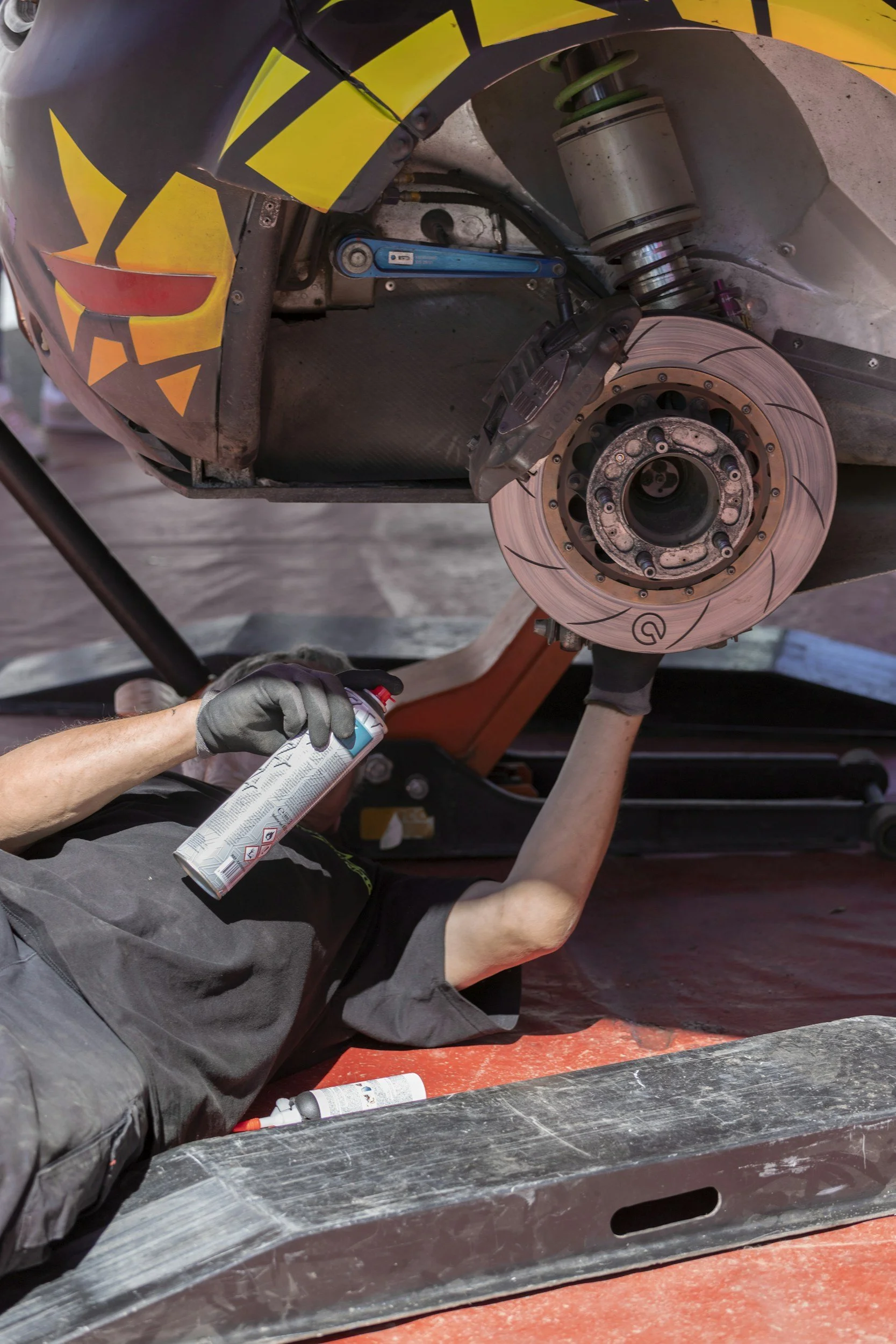
Mobile brake repair
Brakes are the most common repair we do in a driveway, and the one people wait longest on. That squeal you hear on a slow stop is a wear indicator doing its job — a small tab designed to make noise while the pads still have life left. Handled then, it is pads and maybe rotors. Ignored until it grinds, it becomes rotors for sure, sometimes calipers, and occasionally a wheel bearing that got cooked along the way.
We replace pads and rotors, front or rear, at your location. Calipers, brake hoses, brake lines and fluid too. Everything gets measured before it is quoted, so you are not paying for rotors that had plenty of thickness left. If a caliper is seized or a line is rusted through, you hear about it before it is touched, not after.
When to call about brakes
A high-pitched squeal on light braking, a grinding or scraping sound, a pedal that sinks toward the floor, a shudder or pulsing through the pedal at highway speed, the car pulling to one side when you stop, or a brake warning light. Any of those is worth a phone call the same week — brake jobs get significantly more expensive the longer they wait.
Squealing when braking
Grinding metal on metal
Soft or sinking pedal
Shudder when slowing from highway speed
Pulls left or right when stopping
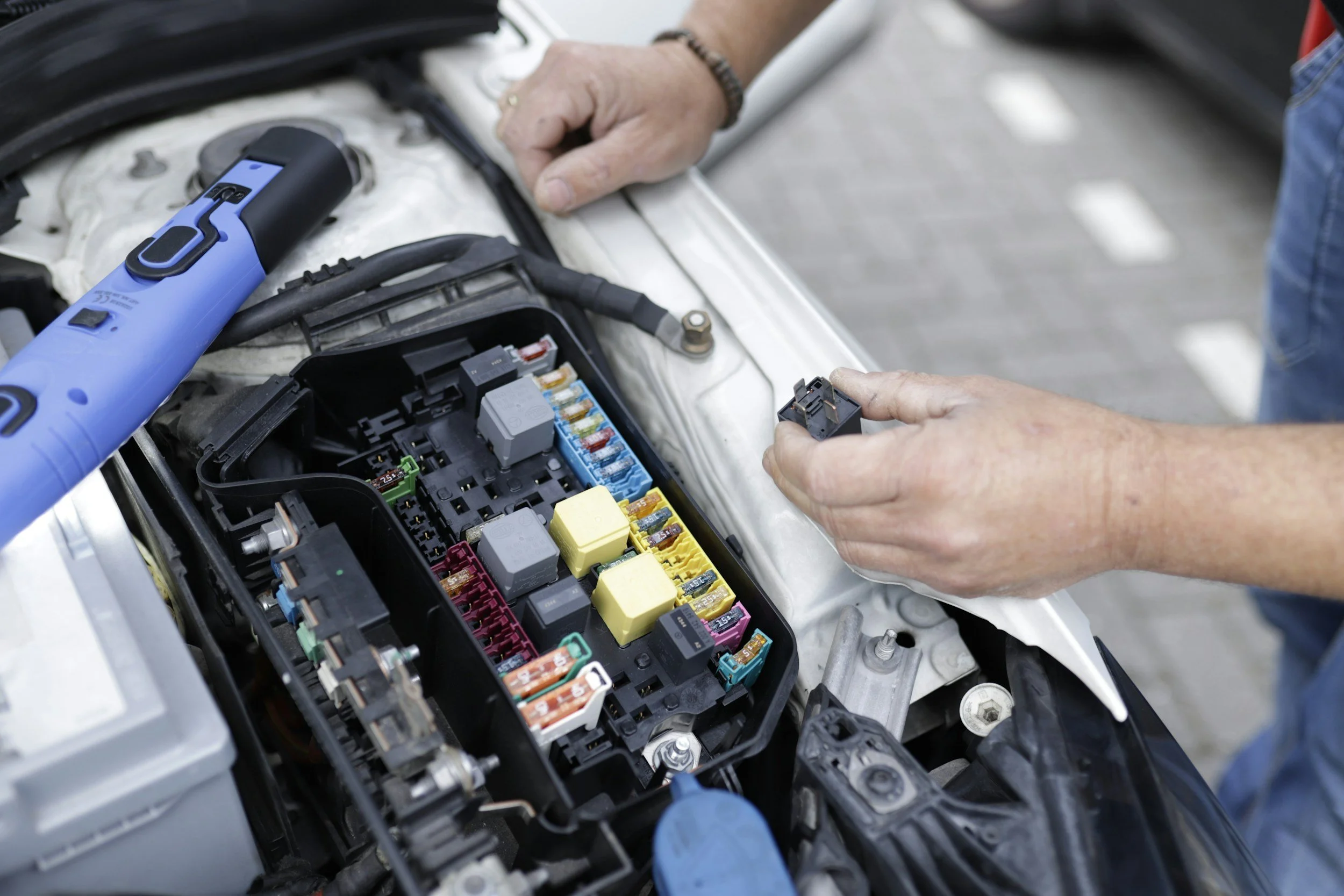
Batteries, alternators & starters
A car that will not start is the single best reason to call a mobile mechanic. It is already immobile, which is exactly the situation a shop handles worst and we handle best. Instead of a tow bill on top of a repair bill, the van comes to the car and the problem gets solved where it sits.
The first job is telling apart three things that feel identical from the driver's seat. A battery that has lost capacity cranks slow, then clicks, and often dies overnight after a short drive. A failing starter cranks fine one minute and gives a single loud click the next, usually worse when the engine is hot. An alternator that has stopped charging will run the car until the battery drains, so it dies while driving, dims the lights, and comes back to life on a jump for exactly one trip. We test the battery, the charging output and the draw on the system before replacing anything, because guessing here is how people end up buying two parts to fix one problem.
Batteries, alternators, starters, terminals, ground straps and cables are all replaced on site. Florida heat kills batteries faster than cold does — three to four years is a realistic lifespan here, not the five or six the sticker suggests.
Clicks but won't crank
Cranks slow, then nothing
Dead every morning
Died while driving
Battery light on the dash
Headlights dimming at idle

Check engine light & diagnostics
A parts store will read your code for free and hand you a printout that names a part. That printout is not a diagnosis. A code like P0420 points at a catalytic converter, but the actual cause is frequently an upstream oxygen sensor or an exhaust leak — and the difference between those is around a thousand dollars. A misfire code names a cylinder, not whether the problem is the coil, the plug, an injector or compression.
We scan the codes, then test the system the code is pointing at, and tell you in plain language what is actually wrong, what it will cost, and whether it is safe to keep driving in the meantime. Sometimes the answer is a fifteen-dollar part. Sometimes the answer is that the repair is worth more than the car, and we will say that too.
What the light is telling you
A steady check engine light means something has failed an emissions or sensor test and should be looked at soon. A flashing check engine light means a misfire severe enough to damage the catalytic converter, and you should stop driving and call. If the light came on right after a fuel stop, try tightening the gas cap and driving a day or two before spending money — a loose cap is the single most common cause.
Check engine light on
Flashing check engine light
Running rough or misfiring
Failed emissions or won't pass inspection
Stalls at idle
Poor gas mileage
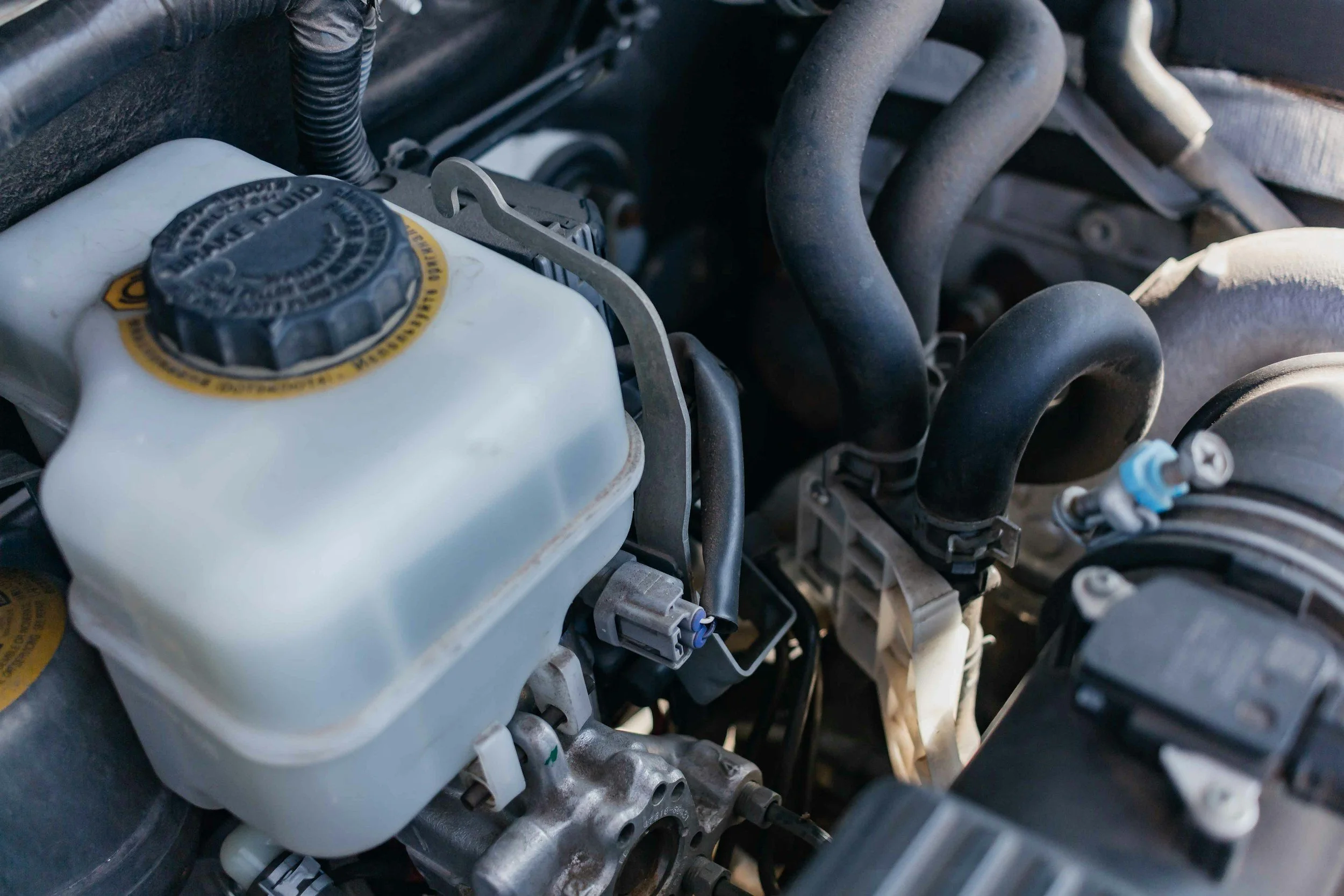
Overheating & cooling system repair
In Florida a cooling problem escalates faster than anywhere else. Sitting in traffic on a ninety-five degree afternoon with a marginal radiator is how a fifty-dollar hose becomes a head gasket. If the temperature gauge is climbing past the middle, the heater is blowing cold, you smell something sweet, or there is white steam from under the hood, pull over and call — do not try to make it home.
We repair radiators, water pumps, thermostats, radiator and heater hoses, coolant reservoirs, radiator caps and cooling fans, and we pressure-test the system to find where coolant is actually escaping rather than just topping it off and sending you on your way. A puddle of bright green, orange or pink under the front of the car is coolant and needs attention before the next hot day, not after.
Temperature gauge climbing
Steam from the hood
Sweet smell after driving
Coolant puddle under the car
Heater blows cold
Have to keep adding coolant
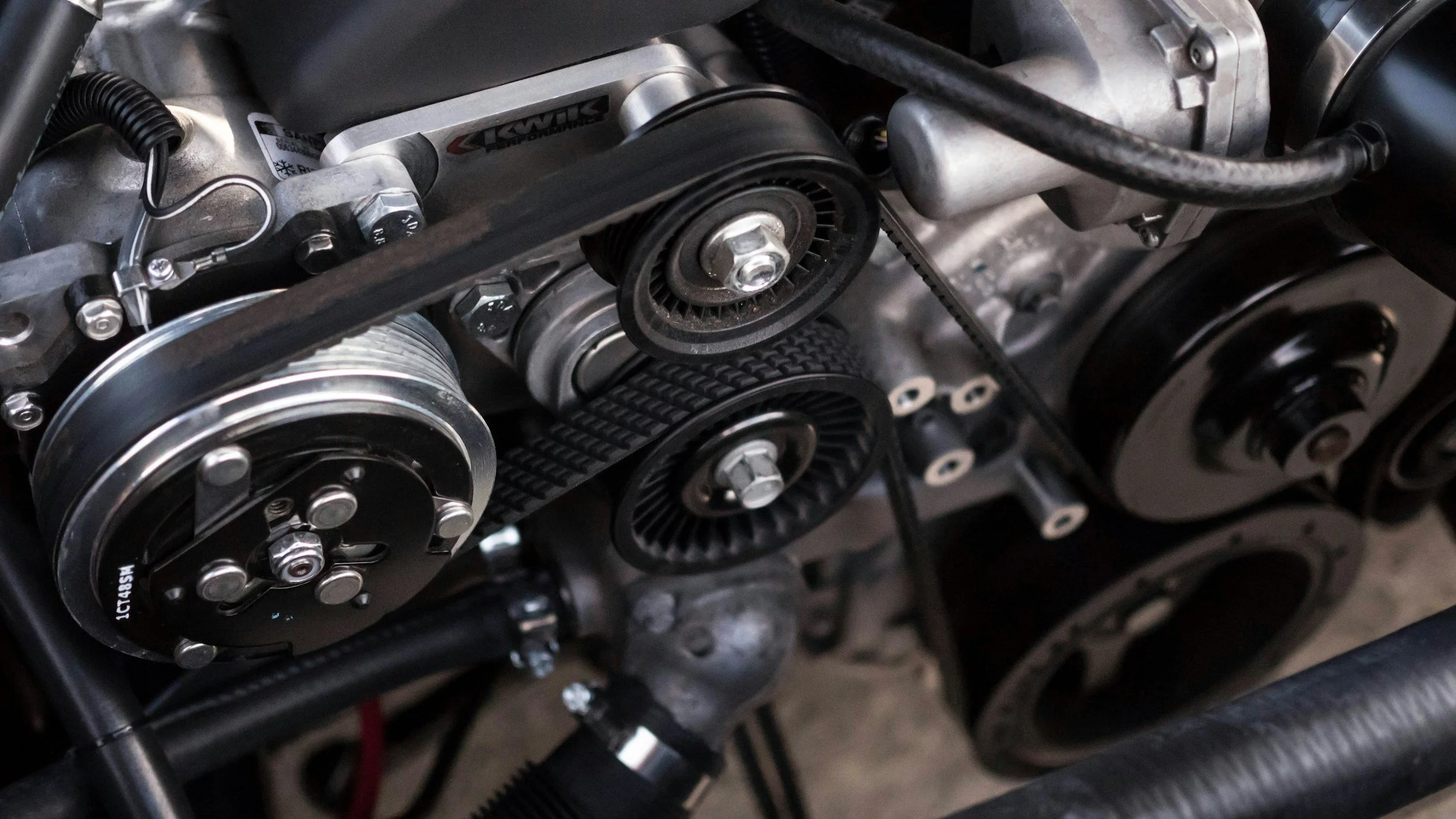
Belts, hoses & pulleys
The serpentine belt runs the alternator, water pump, power steering and air conditioning off one loop of rubber. When it snaps you lose charging, cooling and steering assist at the same moment, usually in traffic. The good news is that it announces itself first: a squeal on cold start, a chirp that comes and goes, or visible cracking and glazing on the ribbed side.
We replace serpentine belts, tensioners, idler pulleys, and radiator and heater hoses on site, and we check the rest while we are in there — a new belt on a worn tensioner just wears out again. Heat and humidity age rubber quickly here, so belts and hoses on a Florida car are worth inspecting earlier than the mileage interval suggests.
Squeal on startup
Chirping that comes and goes
Cracked or glazed belt
Bulging or soft hose
Whine that changes with engine speed
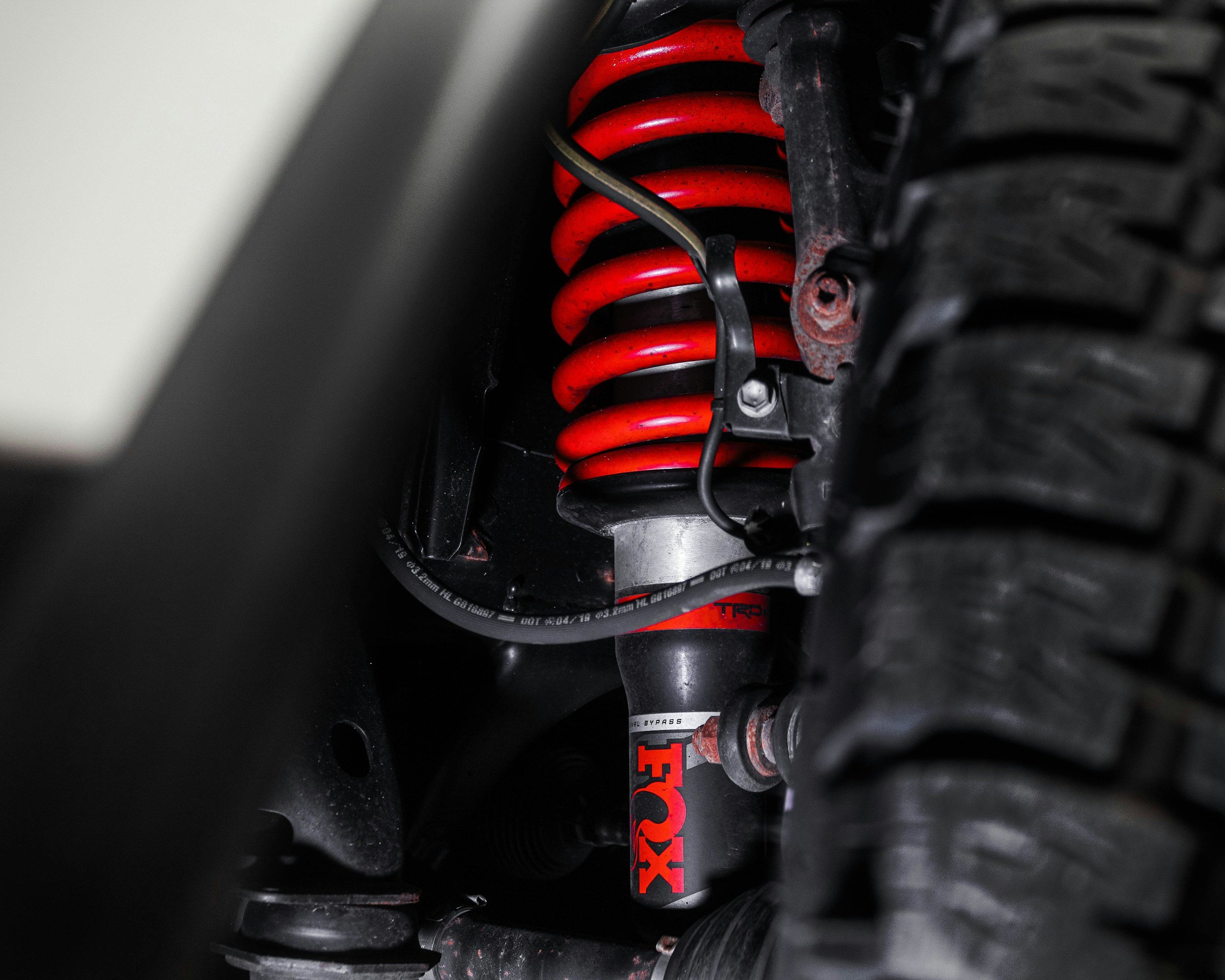
Suspension & steering
Suspension wear is gradual enough that most people stop noticing it. The car floats over dips, clunks over speed bumps, dives hard when you brake, or wanders enough at highway speed that you are correcting the wheel without thinking about it. It rarely leaves you stranded, which is why it gets ignored — but worn shocks lengthen your stopping distance and chew through tires unevenly.
We replace shocks and struts, sway bar links and bushings, control arm bushings, ball joints and tie rod ends at your location. One thing to know up front: after steering or suspension components are replaced, the vehicle needs an alignment, and an alignment requires a rack. We will do the repair in your driveway and tell you plainly that the alignment is a separate stop at a shop — that is not a service anyone can legitimately do mobile.
Clunking over bumps
Bouncy or floating ride
Nose dives when braking
Wanders at highway speed
Uneven or cupped tire wear
Clunk when turning the wheel
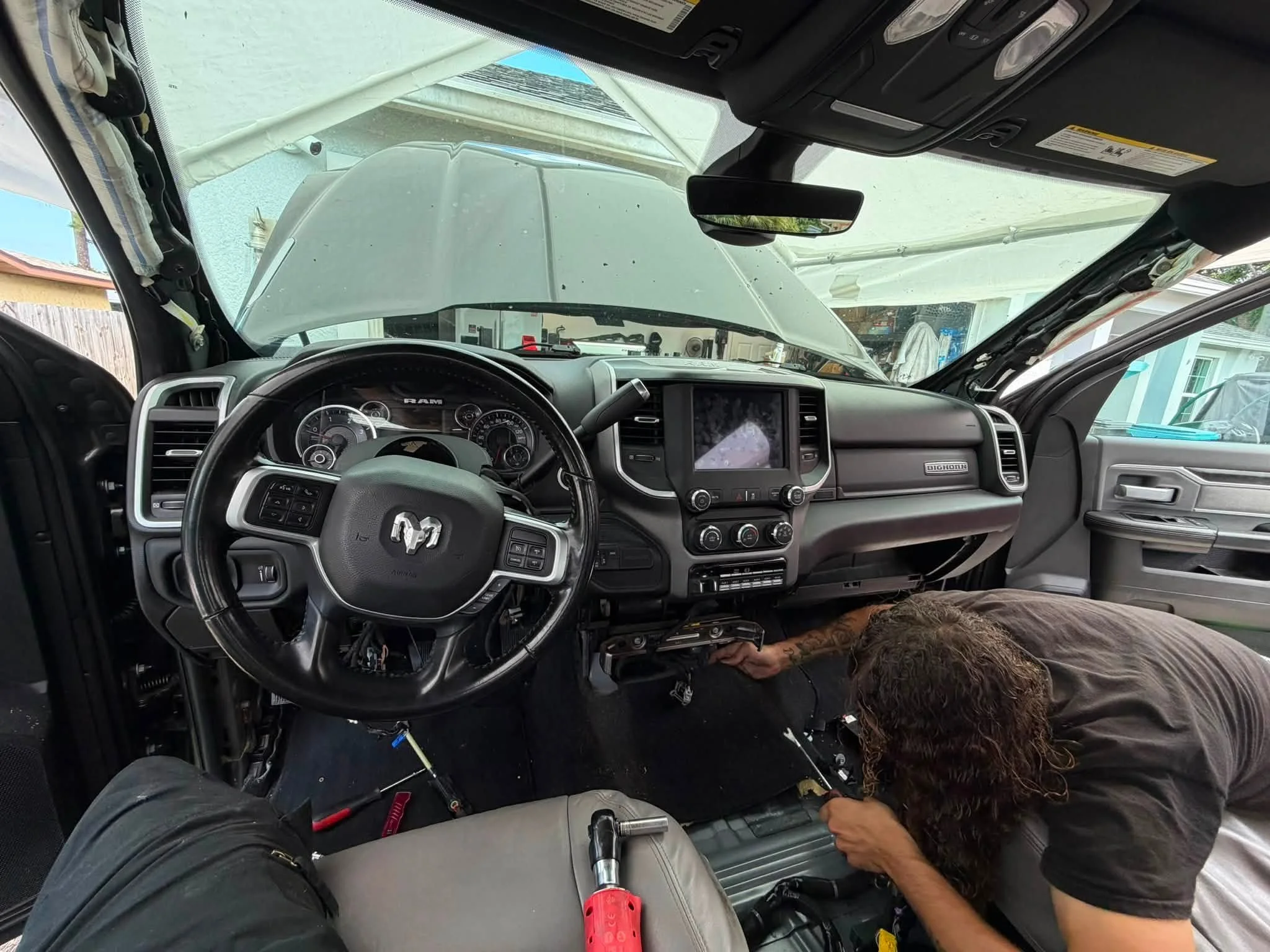
Tune-ups, spark plugs & ignition
Modern engines do not need the old-fashioned annual tune-up, but they absolutely still need plugs and coils on schedule. When those wear out you get a rough idle, hesitation when you accelerate, a shake at a stoplight, worse fuel economy, and eventually a misfire code and a flashing check engine light. Left alone long enough, unburned fuel goes down the exhaust and damages the catalytic converter, which is the genuinely expensive part of the story.
We replace spark plugs, ignition coils, coil boots and wires, plus air and fuel filters and PCV valves where applicable, and we clean throttle bodies and mass airflow sensors when they are the reason an engine is idling badly. All of it done in your driveway.
Rough idle or shaking at a stop
Hesitation on acceleration
Hard starting
Dropping fuel economy
Misfire code
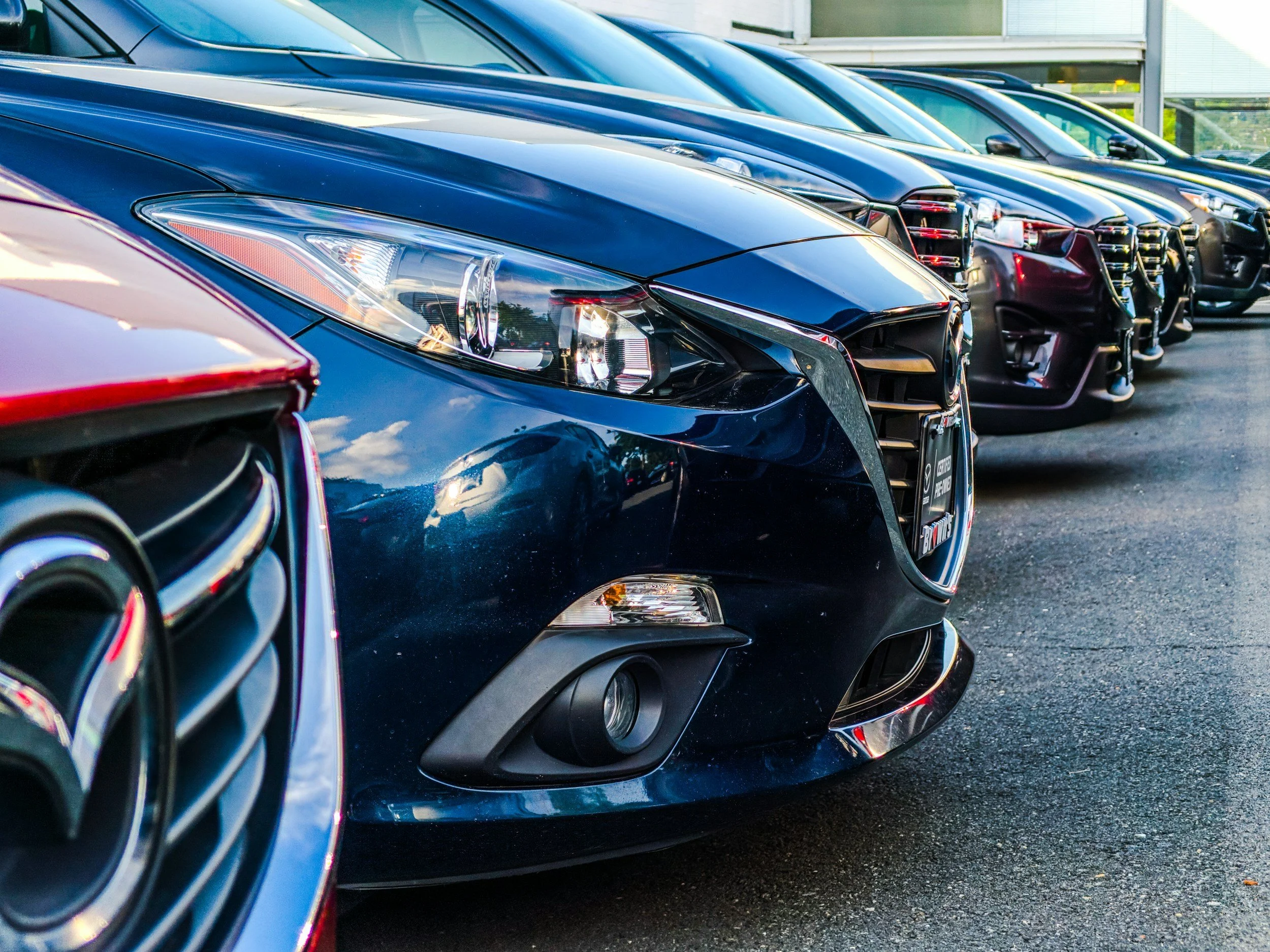
Pre-purchase used car inspections
Buying a used car off a lot or off Marketplace is the highest-stakes hour in car ownership, and it is the one most people go into alone. We meet you at the vehicle, wherever it is, and go through it before money changes hands: scan for stored and pending codes, check fluids and leaks, look at brake and tire condition, inspect suspension and steering for play, look for signs of accident repair or flood damage, and take it around the block.
Flood history is worth extra attention on a Florida car, and it is not always in a vehicle history report — a car that sat in salt water for an afternoon and got cleaned up privately can look perfect and fail electrically a year later. You get an honest read on what the car needs, what it will cost, and whether the asking price makes sense. Cheapest few hundred dollars you will ever spend, or the fastest no you will ever get.
Buying from a private seller
Dealer says it's certified
Price seems too good
Out-of-state or auction car
Possible flood history
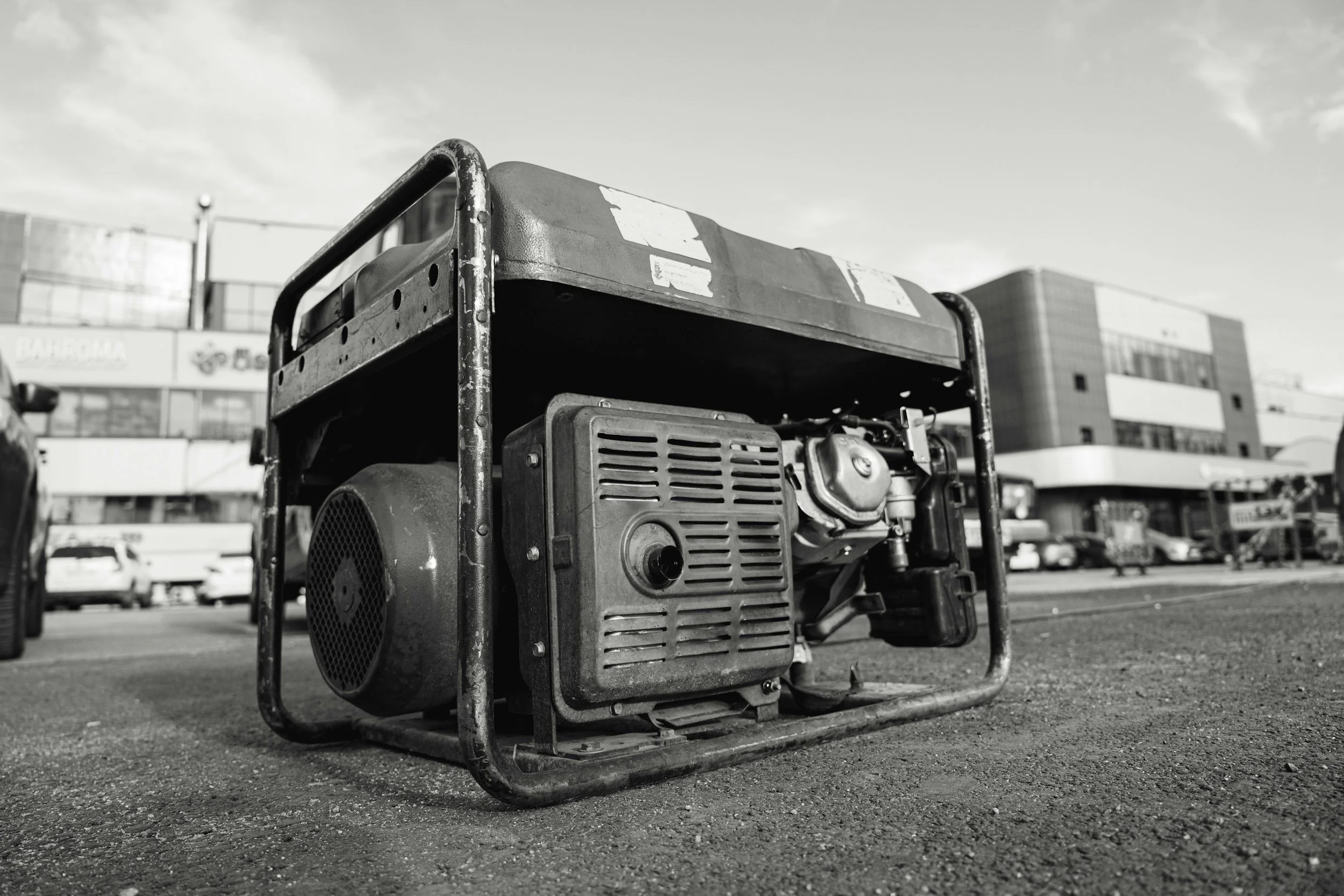
Generator repair & service
Most mobile mechanics on the Treasure Coast will not touch a generator. We will — portable units and standby units, serviced at your house alongside the cars if that is easiest.
Nearly every generator failure traces back to the same thing: it sat. Ethanol fuel left in the tank over a season turns to varnish, gums the carburetor jets and clogs the fuel line, and the unit that started fine last October will not fire in June. Add a fouled plug and old oil and you have the classic no-start. We clean and rebuild carburetors, replace plugs, change oil and filters, service fuel lines, tanks and filters, sort out recoil starters, and troubleshoot electric start, charging and no-output problems. Then it gets run under load, because a generator that idles in the driveway is not the same as a generator that will hold your refrigerator and window unit at two in the morning.
Service it before the season, not during the storm
The week a storm gets named, every generator between Hobe Sound and Vero Beach needs attention on the same afternoon, parts stop being available, and nobody can get to you. Spring and early summer are quiet, quick to schedule and cheaper for exactly that reason. If yours has been sitting in the garage since the last outage, that is the call to make now.
Won't start after sitting
Starts then dies
Runs rough or surges
Dies under load
No power output
Annual pre-season service
Straight answers
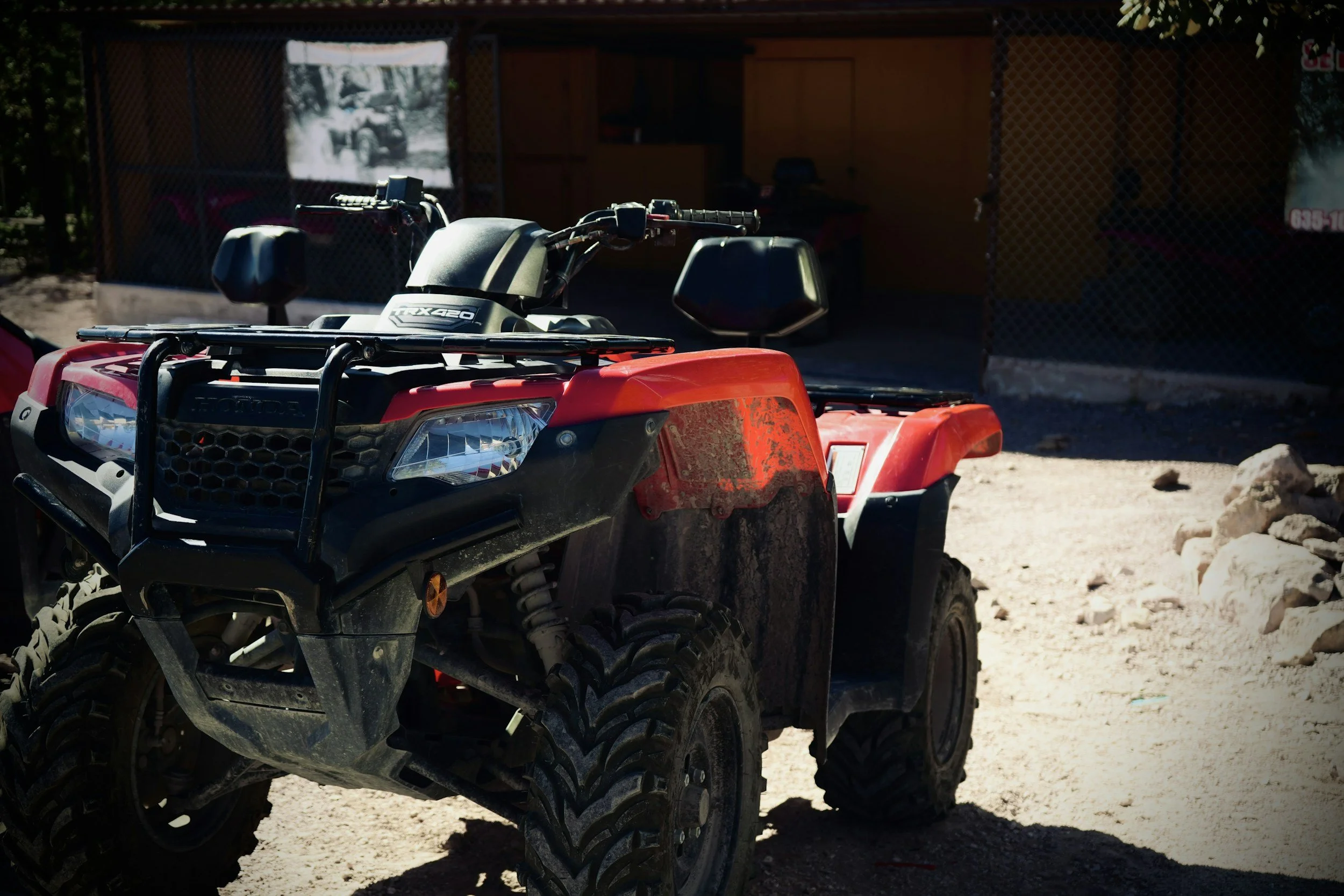
Side-by-side & ATV repair
Dealers are booked weeks out on powersports work, and getting a side-by-side to one means loading it on a trailer and losing a day to it. We come to the machine — at the house, at the ranch, at the hunting camp, at the grove.
Most of what goes wrong falls into two buckets. The first is sitting. Ethanol fuel left in the tank over a season turns to varnish, gums up the carb or the injectors, and the machine that ran fine at the end of last season will not fire now. Same story as a generator, same fix. The second is the CVT belt, which is the single most common side-by-side repair there is. A belt that has been slipped, glazed or run in low range too long will burn, and it usually takes the clutch sheaves with it if you keep riding on it. If you smell burning rubber, lose power on a hill, or hear a squeal that rises with throttle, stop and call before it becomes a clutch job.
Florida adds its own problems. Sand gets into everything, salt air corrodes connectors and brake hardware, and machines that get rinsed but not dried develop electrical gremlins that are miserable to chase later.
What we handle
CVT belts, primary and secondary clutches, oil and filter changes, air and fuel filters, spark plugs, carburetor cleaning and rebuild, fuel pumps and injectors, batteries and charging systems, brakes and brake lines, wheel bearings, axles and CV boots, tie rods and steering, radiators and cooling fans, and no-start and electrical diagnosis. Utility and sport machines both — Polaris, Can-Am, Kawasaki, Honda, Yamaha and the rest.
Won't start after sitting
Burning smell or loss of power on hills
CVT belt squeal or slipping
Runs rough, surges, or dies at idle
Overheating
Dead battery or no charge
Clunking or play in the front end
Annual service before hunting season